
AdaptedMind Math: Learning App
AdaptedMindEducation
4.4313.00 Reviews
- Version
- 2.60827.112
- Installs
- 500.00K
- Age Rating
- Everyone
Screenshots
Our Review of AdaptedMind Math: Learning App
 Analysis by Appyee
I see AdaptedMind Math as a possible fit for families who want a child to practise maths without turning every evening into a worksheet session. It is an education app from AdaptedMind, aimed at making practice feel more inviting through games that respond to a learner’s needs. That approach can help when a child understands a skill but lacks confidence or patience; it is less convincing if you need a complete replacement for teaching, a printed curriculum, or a tool focused on advanced mathematical reasoning.
How I’d fit it into an ordinary week
Imagine a child getting home from school unsure about a maths topic and reluctant to sit down with another page of exercises. I’d use a short app session as a low-pressure way to get started, then ask the child to explain one answer aloud or work through a similar problem on paper. That small handoff matters: interactive practice can build familiarity, but talking through the reasoning helps a parent see whether the idea has actually clicked.
I would also avoid treating a long session as automatically better. A child who is tired may tap through tasks for the rewards rather than think carefully, so a brief, predictable routine is more useful than an open-ended screen-time block. The app’s adaptive approach is most helpful when the child is willing to attempt questions honestly; if they rush or guess, the practice may be less informative for both of you.
Who is likely to benefit—and who may not
This is most appealing for younger learners who respond well to colorful, game-like practice and for caregivers who want a way to reinforce maths between school lessons. The grade-level setup and skill choices described in the app make it easier to think about a child’s current needs rather than assigning the same activity to every learner. I’d still sit nearby at first, especially if the child is new to independent learning, so I could help with the transition from play to focused practice.
It may be a poor match for a child who dislikes learning on a screen, needs direct explanations from an adult, or is already looking for demanding, multi-step enrichment. In those cases, a teacher, a workbook with worked examples, or a more advanced problem-solving resource may be more appropriate. The reward structure can encourage a reluctant learner, but it should not be mistaken for proof of mastery: badges show activity and progress within the app, not necessarily that a child can apply a concept in a new context.
Choosing it over worksheets or other learning apps
Compared with ordinary worksheets, the main appeal here is a more interactive route into practice and the ability to adjust the focus or difficulty. Paper remains better when a child needs to show each step, practise writing calculations, or work without screen distractions. Compared with a broad school-support app, AdaptedMind Math has a narrower purpose: it is specifically about maths, which can be an advantage when that is the subject a family wants to work on, but it will not serve as a general learning hub.
A useful compromise is to let the app identify where a child is spending time, then use a notebook for a couple of examples that require written reasoning. If the child performs well in the game but struggles to explain the same idea away from the screen, that is a sign to slow down and review rather than simply move on. I would use the progress information as a conversation starter, not as a substitute for observing how the child thinks.
Practical decisions before settling in
The app is free to download, but it includes in-app purchases priced at around ten dollars per item. I’d check the purchase details before handing over a device, particularly if a child can use the app without an adult nearby. The age rating is Everyone, and the minimum operating-system requirement is version 7.0, so it is worth checking the device before planning a regular routine. It has an average rating of 4.6 from around 2,400 ratings and more than 500,000 installs; those figures suggest a sizeable audience, though they cannot tell you whether its teaching style will suit your child.
AdaptedMind Math is currently at version 2.60302.11 and was released on May 28, 2024. Those facts establish the current version and release point, but they do not by themselves show which features have changed over time. For a family already using it, I would focus on whether the current experience runs reliably on the child’s device and whether the available practice still matches the skills they need. If an update changes the feel of a familiar routine, check the app together before assuming the child’s progress or learning habits have changed.
It has 272 reviews, and I would treat individual comments as clues about common experiences rather than a guarantee that the same thing will happen on every device. In my own use, the occasional freeze was the most noticeable friction: a child can lose momentum when an activity has to be restarted. If that happens repeatedly, I’d pause the session and return later rather than letting troubleshooting become the evening’s main event. Keeping expectations modest—a helpful practice option, not a perfect tutor—makes the app easier to judge fairly.
Before committing to a routine, I’d try a few sessions and ask the child two simple questions afterward: which task felt easy, and which one made them stop and think? That gives you a more useful read than asking whether they “liked” the app alone. If the answer is consistently that the activities feel too easy, too difficult, or more like collecting rewards than learning, adjust the focus where possible or choose another resource. The best sign is not simply enthusiasm; it is a child becoming more willing to attempt maths and able to explain something they practised.
Ever found yourself sitting at the kitchen table, trying to figure out how to make learning math fun for your kids? It's like trying to solve a Rubik's cube while blindfolded. Enter AdaptedMind Math, the app that claims to make math as exciting as a trip to the amusement park. But does it really live up to the hype? Let's dive into my experience with this app and find out.
First Impressions and Setup
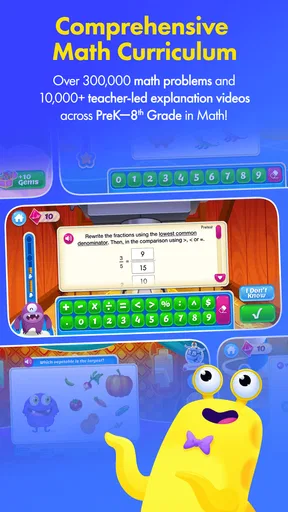
Downloading AdaptedMind Math was a breeze, and it took just a few minutes to get everything set up. The interface is bright and colorful, instantly grabbing my attention. It's like walking into a candy store, and who doesn’t love that? Once inside, I was prompted to create a profile for my child, which was straightforward and user-friendly. The app asks for a grade level, ensuring the content is tailored to each child's needs.
Engaging Content
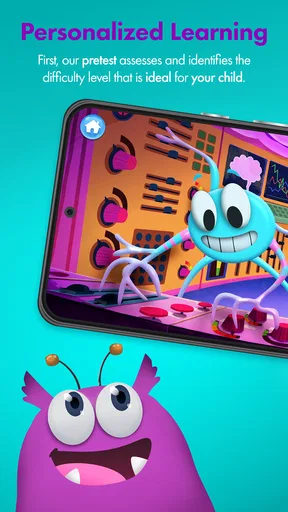
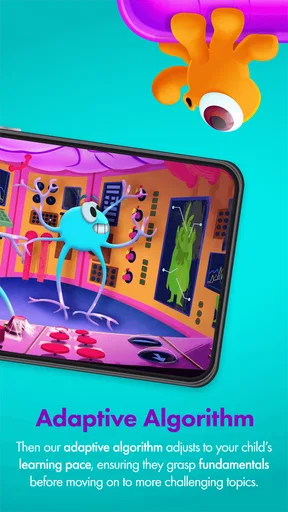
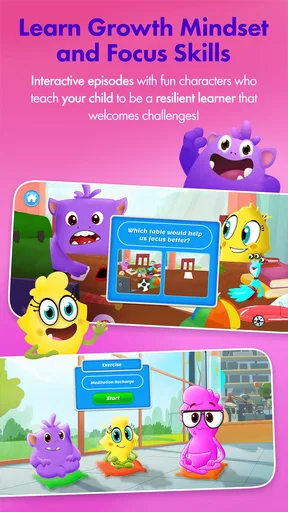
Okay, so here's the deal: math isn't everyone's cup of tea, especially for kids. But with AdaptedMind Math, the app cleverly disguises learning as fun. There are a ton of games and activities that make solving math problems feel less like a chore and more like a game of hide and seek. My little one was hooked right from the start. The activities adapt to the child's performance, so it’s kind of like having a personal tutor in your pocket.
Customization and Progress Tracking
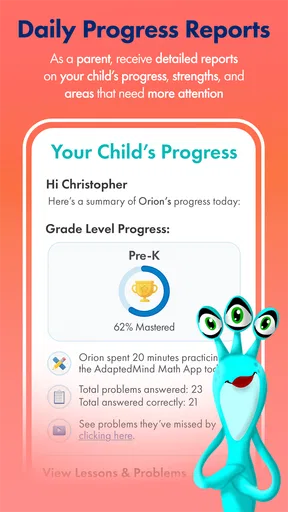
One of the standout features for me was the level of customization. The app allows you to select specific skills to focus on, and you can even adjust the difficulty. It's like having a remote control for your child's learning. And the best part? The progress tracking. I loved being able to check in and see how my kiddo was doing. The app provides detailed reports, so you can easily identify areas where they might need a little extra help.
Reward System
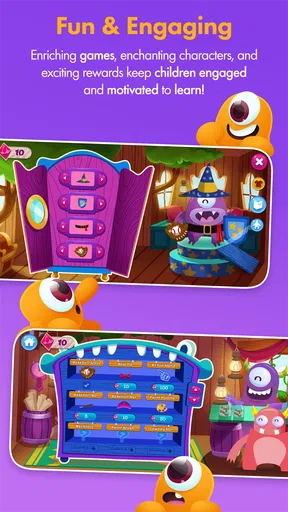
Kids love rewards, and AdaptedMind Math gets that. The app includes a reward system that keeps children motivated to continue learning. As they complete tasks, they earn badges and unlock new levels. It's like a video game, but educational. My child was thrilled to collect badges, and it made the entire learning experience much more engaging.
Challenges and Areas for Improvement
While I found the app to be incredibly beneficial, there were a couple of minor hiccups. Occasionally, the app would freeze, which meant restarting it. Not a deal-breaker, but something to be aware of. Additionally, while the app is great for general math skills, it could use more focus on higher-level problem-solving skills for advanced learners.
Final Thoughts
Overall, AdaptedMind Math is a fantastic tool for parents looking to make math fun and engaging for their kids. It's like having a math teacher, game designer, and motivational coach all rolled into one. While it has a few quirks, the benefits far outweigh the downsides. If you're on the hunt for an app to help your child love math, give this one a try. It's a game changer, and who knows, you might just find yourself sneaking in a few games too!
Verdict
Strengths of AdaptedMind Math: Learning App
- Engaging and interactive lessons.
- Customizable learning paths.
- Progress tracking features.
- Supports offline learning.
- Parent and teacher resources.
Limitations of AdaptedMind Math: Learning App
- Limited free content.
- Ads in the free version.
- Requires internet for updates.
- Some features need premium.
- No support for multiple profiles.
Similar Picks in This Category
View All
Duolingo: Language Lessons
Duolingo4.7

Google Classroom
Google LLC2.8

Unacademy: Learn & Crack Exams
Unacademy3.2

Bible App for Kids
Life.Church4.4

Cake - Learn English & Korean
Cake Corp.4.7

Brainly: AI Homework Helper
Brainly4.5
Frequently Asked Questions
What is AdaptedMind Math, and who is it for?
AdaptedMind Math is an educational app designed to enhance math skills for children in grades K-6. It offers personalized learning experiences by adapting to each child's skill level and pace. With engaging exercises and interactive lessons, the app is ideal for parents and educators looking to supplement traditional math instruction.
How does AdaptedMind Math personalize learning?
AdaptedMind Math uses adaptive learning technology to tailor lessons to each child's abilities. As students work through problems, the app adjusts the difficulty of exercises to match their skill level, ensuring they are neither bored nor overwhelmed. This personalized approach helps maintain engagement and facilitates effective learning.
What features does AdaptedMind Math offer to keep children engaged?
The app includes a variety of interactive activities, math games, and rewards systems to keep children motivated. With colorful graphics and fun challenges, AdaptedMind Math makes learning enjoyable. Additionally, progress tracking and achievement badges encourage students to reach new milestones and stay committed to their learning journey.
Is AdaptedMind Math safe for children to use?
Yes, AdaptedMind Math is a safe environment for children. The app is designed with child-friendly content and adheres to privacy standards, ensuring that personal data is protected. Parents can rest assured that their children are engaging with educational material in a secure and monitored setting.
Does AdaptedMind Math require a subscription or in-app purchases?
AdaptedMind Math operates on a subscription model, offering access to all features and content for a monthly fee. While the app may offer a free trial, continued use requires a subscription. There are no hidden in-app purchases, making it easier for parents to manage expenses associated with their child’s education.
